
When a Cigarette Becomes Part of the Character
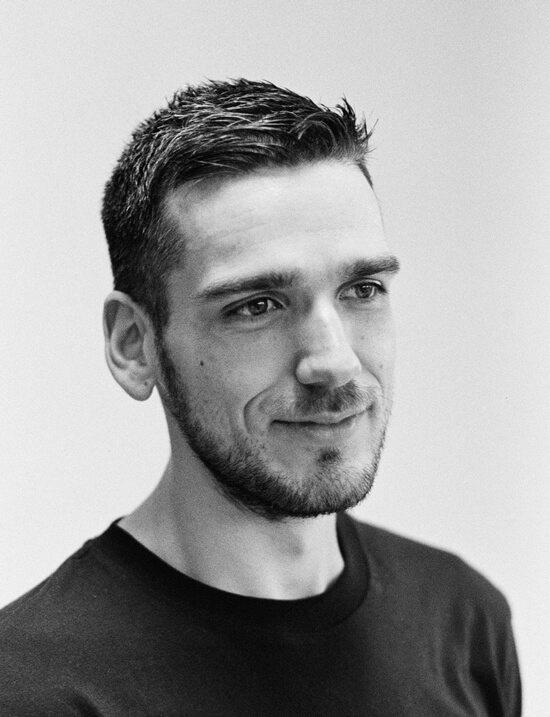
By Andrew Darren Elkins, director of Sunrise for the Blind
In this personal reflection, Andrew Darren Elkins describes the world of Lee Lomas’s Sunrise for the Blind and the role that theatrical cigarettes played in his production.
When we began developing Lee Lomas’s ‘Sunrise for the Blind’, one of my primaryconcerns was establishing a world that felt entirely recognisable to an audience. The play explores a community in North Manchester, with much of the action taking place in a town square where our characters congregate, argue, drink, smoke and, perhaps most importantly, wait for something in their lives to change.
The town square became almost another character in the production. It was a place of familiarity and comfort, but equally a place of stagnation. Somewhere our characters could escape their domestic circumstances without ever really escaping the limitations of their environment.
Cigarettes occupied a remarkably similar position within the piece. They weren’t simply props that the actors happened to use. Smoking was embedded in the habitual behaviour of these characters, whether that meant sharing a cigarette, occupying an uncomfortable silence, or simply having something to do with their hands whilst attempting to navigate a difficult conversation. There was something about the repetition of that behaviour which felt entirely appropriate to the world we were creating.
One of the challenges we encountered was that our venue operated a strict no-open-flames policy. Conventional stage cigarettes were therefore out of the question, but removing smoking altogether would have meant compromising something I felt was fundamental to the lives of these characters.
This is where Stage Props became invaluable. Their theatrical cigarettes allowed us to retain the physical behaviour, visual authenticity and atmosphere we had been developing throughout rehearsals, without the need for combustion or an open flame. In that respect, I genuinely don’t think we could have realised the production in quite the same way without them.
As a director, I’m particularly interested in the relationship between an actor and the objects they encounter. An object should never exist simply because somebody has decided that the character ought to be holding something. It needs to belong to the circumstances of the scene and, ideally, become so familiar to the performer that its use is no longer something they have to consciously manufacture.
What I appreciated about these cigarettes was that they allowed the actors to engage in recognisable behaviour without that behaviour becoming the focus of the performance. The audience could see the smoke, recognise the action and accept it as part of the world. The cigarettes became another element of the production’s language rather than something drawing attention to itself.
In a production as deliberately stripped back as ours, those details become especially significant. We weren’t relying on elaborate scenery to establish the environment. Much of that responsibility belonged to the actors, their relationships and the physical actions taking place within the space.
Ultimately, I came to think of the cigarettes in much the same way as the town square itself. They were ever-present, familiar and woven into the fabric of these characters’ lives. Something seemingly insignificant that, through repetition and circumstance, began to tell us a great deal about the people inhabiting this world.
See the production photographs and read about Sunrise for the Blind